


The early years are an important time for children to develop confidence, curiosity, independence, and a positive connection to school. Central Linn Elementary School works with families to help young learners make a successful transition into a structured school environment.
Early learning experiences support the development of the whole child. Children build beginning skills in language and literacy, mathematics, communication, physical development, creativity, self-regulation, and positive interaction with others. Learning takes place through age-appropriate instruction, purposeful play, stories, music, movement, exploration, and hands-on activities.
Kindergarten provides the foundation for a child’s elementary education. Students learn classroom routines while developing early reading, writing, number sense, problem-solving, and social skills. Teachers recognize that children enter school with different experiences, strengths, and developmental needs and provide support to help each child grow.
Families are encouraged to participate in school events, communicate regularly with teachers, and support learning through everyday activities at home. Enrollment information, age requirements, registration materials, and details about available early-learning opportunities can be found on this page or obtained by contacting the Central Linn Elementary School office.
Our work includes:
- Supporting the district with the development and alignment of our Pre-K to 3rd grade (P-3) programs;
- Overseeing and supporting Pre-Kindergarten programs;
- Supporting families, students, and educators into and through the transition to Kindergarten; and
- Supporting the ongoing development of high-quality Kindergarten programming.
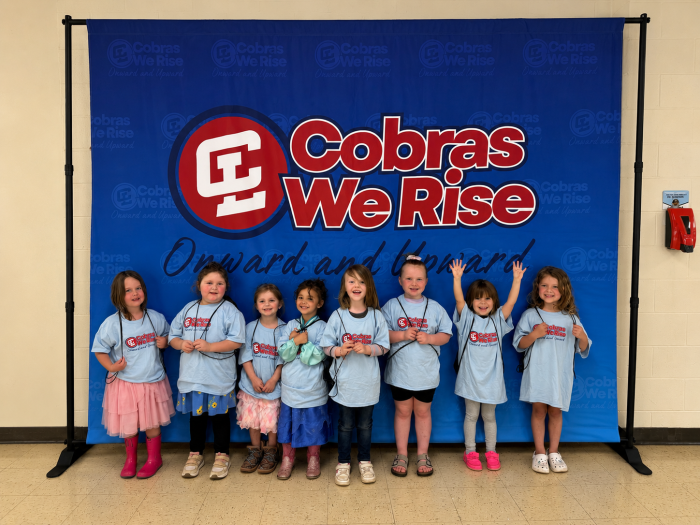
Early Learners includes students in preschool (age 3) through entry to 3rd grade (age 8). Our vision is to provide high-quality and aligned experiences for students and families in these foundational years of learning. When social-emotional teaching and learning are explicitly and authentically integrated and modeled throughout the day-fostering self and community-care and positive relationship-building.
In learning environments in which their linguistic, cultural, racial, and self-identities are seen, heard, and affirmed–and in which they are engaged in authentic experiences with a wide range of languages, cultures, races, and identities. When educators demonstrate cultural humility and partner with families to understand the home assets, values, cultures, and experiences that shape their children’s approaches to learning.
When educators understand and embrace neuro diverse learning systems and disability, see each child’s best self, honor each learner where they are, collaborate to support development, and provide multiple access points to allow all students to engage in meaningful learning. In connected and supportive communities of family, friends, and educators.
When provided meaningful learning experiences that promote development in:
- Reading
- Writing
- Speaking
- Listening
- Story-Telling
- Problem-Solving
- Well-Being
- Reflection
* all in the context of real-life applications
In dynamic, joyful, safe, and predictable spaces that embrace:
- Play
- Creativitiy
- Exploration
- Social Interaction
- Choice
- Movement